
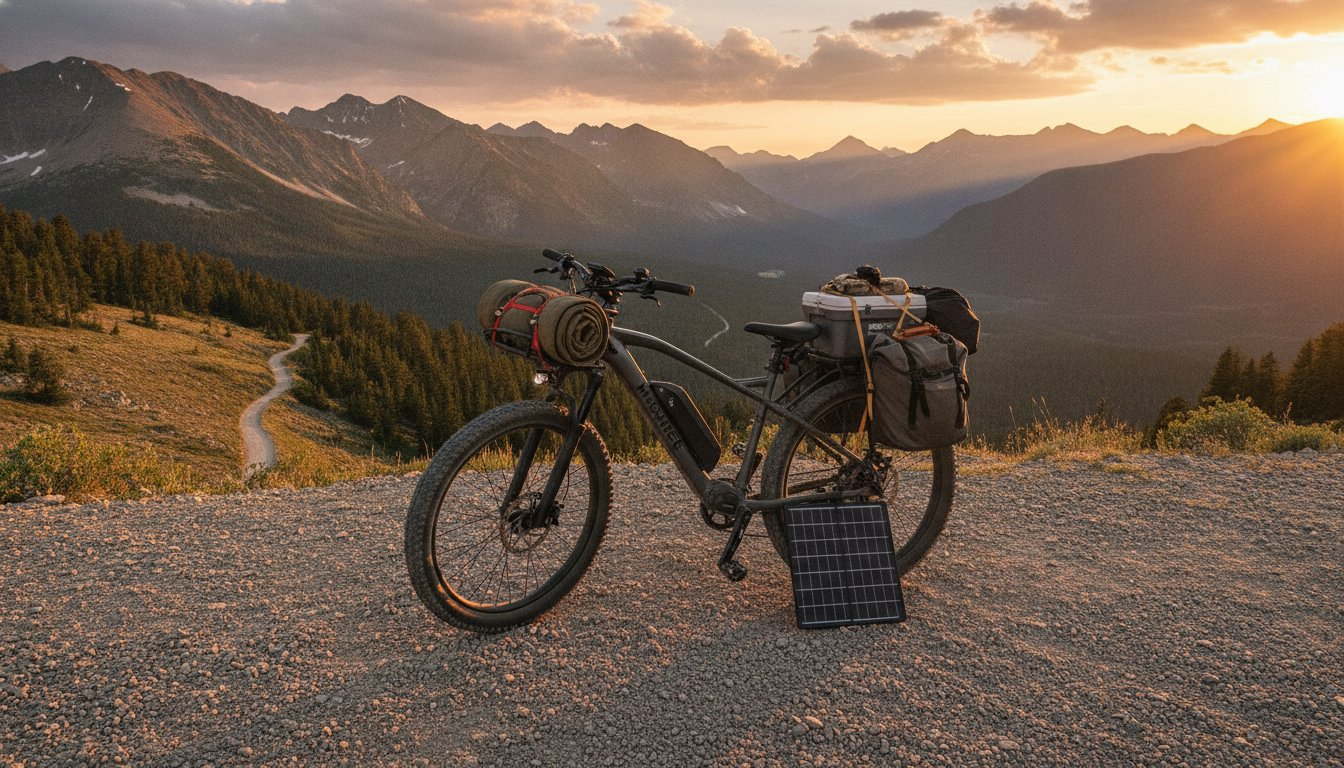
Most all-terrain e-bikes claim to conquer the wild, but few can actually carry a full week of camping gear up a steep grade without breaking a sweat. You’ve likely felt that nagging anxiety when looking at a heavy, high-power machine. You worry if the battery will actually survive those mountain climbs or if you’ll end up frustrated by a complex box of parts you can’t safely put together. It’s often confusing to choose between the original Mokwheel Basalt e-bike and the new 2.0 models, especially when you’re trying to decode technical jargon like torque sensors versus cadence sensors.
This guide simplifies your decision. You’ll discover why the Mokwheel Basalt has become the premier utility platform of 2026 and exactly which version matches your specific riding needs. We’ll break down the massive 450 lb payload capacity, compare the latest 2.0 upgrades, and show you how to secure a professional assembly and safety inspection. Whether you’re hauling gear or hunting for trails, we’ll ensure your first ride is safe, powerful, and perfectly tuned for the road ahead.
Key Takeaways
- Understand the hybrid “Power-Station” design that makes the Mokwheel Basalt e-bike a leader in the 2026 all-terrain market.
- Learn how the dual-sensor “Smart Assist” system balances 90Nm of torque with natural pedaling for effortless hill climbing.
- Compare the specific benefits of the Basalt 2.0 and Step-Through (ST) models to find the right frame for your height and accessibility needs.
- Discover how to achieve off-grid independence using the unique solar charging inverter and heavy-duty utility accessories.
- Identify the critical safety checkpoints covered in a professional multi-point inspection to ensure your high-power bike is road-ready.
Why the Mokwheel Basalt is a 2026 All-Terrain Leader
The Mokwheel Basalt e-bike stands out in a crowded market because it treats mobility as more than just getting from point A to point B. In 2026, riders demand more than just a motor; they want a tool that supports their entire lifestyle. This machine is designed as a hybrid “Power-Station” e-bike, bridging the gap between a rugged off-road vehicle and a portable energy source. It appeals to a specific breed of rider. Hunters, backcountry explorers, and urban commuters who carry heavy payloads find the Basalt’s overbuilt frame and tech-forward features indispensable. While many brands focus purely on speed, Mokwheel has prioritized a holistic ecosystem that includes independent solar charging.
The Power Station Concept
Imagine reaching a remote campsite and realizing your GPS or phone is dead. With the Mokwheel Basalt e-bike, the massive 941 Wh battery serves as more than just fuel for the motor. By using a specialized inverter, you can plug in external devices directly to the bike. This capability transforms the Basalt into a mobile survival kit for emergency preparedness or extended off-grid trips. The Basalt is the first integrated solar-power e-bike platform, allowing you to replenish your energy using the sun’s rays rather than hunting for a wall outlet. This shift in electric bicycle technology means your range is no longer limited by the length of an extension cord.
Built for Reliability
Durability isn’t just a marketing buzzword for this model; it’s baked into the architecture. The frame is constructed from high-grade 6061 aluminum alloy, which provides a stiff, responsive ride even when you’re pushing the 450 lb payload limit. You can feel the Red Dot design influence in how the battery sits flush within the down tube, protecting the cells from debris while maintaining a sleek, modern silhouette. This level of craftsmanship is why Mokwheel is consistently mentioned among the best e bike brands of the year. It’s a machine built for those who value long-term ownership and mechanical integrity over flashy, temporary trends.
The 2026 design philosophy focuses on high-tech integration that doesn’t feel fragile. Every component, from the hydraulic brakes to the reinforced racks, is chosen to withstand the vibrations of unpaved trails. If you’re looking for a partner for your next expedition, the Basalt offers a level of independence that standard e-bikes simply can’t match. It’s a professional-grade tool for those who don’t want to be tethered to a garage outlet.
Performance Specs: Decoding the Power and Range
Performance on paper is one thing, but how a machine handles a 20% grade hill while fully loaded is what defines a leader. The heart of the Mokwheel Basalt e-bike is a 750W brushless rear hub motor that surges to a peak output of 1100W. While wattage catches the eye, the 90Nm of torque is the statistic that truly matters for utility. This high torque ensures you aren’t struggling to get a 450 lb total load moving from a dead stop. Most fat tire competitors cap their payload much lower, but the Basalt is engineered for heavy lifting. Whether you’re hauling hunting gear or a week’s worth of groceries, the frame and motor work in tandem to maintain momentum without overheating.
Torque vs. Cadence: The Riding Experience
The “Smart Assist” system represents a significant leap in how riders interact with their bikes. Unlike basic models that rely solely on cadence sensors, which simply detect if the pedals are turning, the Basalt integrates a torque sensor. This technology measures the actual pressure you apply to the pedals. If you push harder, the motor responds instantly with more power. It eliminates the jerky “on-off” feeling common in cheaper builds. While the Himiway Zebra for sale offers similar raw power, the Basalt’s torque-sensing approach provides a more intuitive, natural cycling experience on technical trails. It’s particularly useful for hill starts where you need immediate assistance before the pedals have completed a full rotation.
Braking and Safety Hardware
Controlling a high-torque machine requires serious stopping power. The Mokwheel Basalt e-bike comes equipped with Tektro hydraulic disc brakes, which are non-negotiable for a bike with a 450 lb capacity. Hydraulic systems are far superior to mechanical cables because they provide consistent pressure with less hand fatigue. In real-world testing, these brakes can reduce stopping distances by up to 30% compared to mechanical alternatives. To manage the 4.0-inch fat tires, the bike features an adjustable front suspension fork. This allows you to lock out the suspension for efficiency on smooth pavement or open it up to soak up ruts and rocks in the backcountry. If you’re planning a custom build, our team can help you with professional assembly and brake tuning to ensure every component is optimized for safety.
The energy for these systems comes from a 48V 19.6Ah battery using UL 2271 certified cells. While marketing materials often claim an 80-mile range, real-world expectations should be grounded in your terrain and payload. On maximum assistance, you can expect around 37 to 40 miles of aggressive riding, while conservative pedal-assist use on flat ground can push you toward that 70-mile mark. This high-capacity cell ensures you have enough “juice” left to power the solar inverter mentioned in the previous section, making it a true mobile energy hub.
Choosing Your Model: Basalt vs. Basalt 2.0 vs. Basalt ST
Selecting the right Mokwheel Basalt e-bike depends on your physical comfort and how you plan to manage your gear. While the core power system remains consistent across the lineup, the frame geometry and tech packages vary between the original and the 2026 iterations. The standard Basalt is the classic high-performance fat tire platform. It features a traditional step-over frame that appeals to riders who want a mountain bike feel and maximum frame rigidity. However, for those looking for the latest refinements, the Basalt 2.0 and the Basalt ST (Step-Through) 2.0 offer significant upgrades in both safety and utility.
Rider height is a major factor in this decision. The Basalt 2.0 is specifically designed to accommodate taller individuals, comfortably fitting riders up to 6’9″. If you’re on the shorter side or have limited hip mobility, the Basalt ST 2.0 provides a much lower stand-over height without sacrificing the 450 lb payload capacity. This makes it a superior choice for utility work where you might be constantly mounting and dismounting the bike.
Key Differences in the 2.0 Upgrade
The 2026 models introduce several “quality of life” features that improve daily usability. One of the most practical additions is the removable speedometer and display. In an urban environment, this acts as a critical security feature; by simply popping the display off, you make the bike significantly less attractive to thieves. Security is a common concern for high-value machines, and this simple mechanical solution provides peace of mind when you’re away from the bike.
Safety also gets a boost through integrated turn signals. These are built directly into the frame, providing clear communication to drivers behind you. While some competitors like the Heybike Tyson for sale utilize unibody tech and folding frames for portability, the Mokwheel Basalt e-bike prioritizes a rugged, non-folding structure to maintain its industry-leading payload. The 2.0 series ensures that this heavy-duty nature doesn’t come at the expense of modern road-safety standards.
Step-Over vs. Step-Through: Which is for you?
Choosing between frame styles often comes down to how you load your cargo. The benefits of each include:
- Step-Over (Standard/2.0): Provides the best frame rigidity for aggressive trail riding. If you’re pushing the bike through deep sand or rocky inclines, the traditional triangle frame handles the stress better.
- Step-Through (ST): Offers unparalleled ease of mounting. This is a game-changer when the rear rack is fully loaded with camping gear or a trailer is attached. You don’t have to swing your leg over a high seat and potentially tip the bike.
If you’re an outdoor enthusiast who carries heavy cargo or uses the Mokwheel trailer system, the ST model is often the more practical investment. It allows you to maintain control of the bike’s weight while starting and stopping, which is vital when managing a 450 lb total load. For those who prefer a traditional aesthetic and plan to do more technical off-roading, the standard step-over 2.0 remains the gold standard.

Maximizing Utility: Solar Charging and Heavy-Duty Accessories
Owning a Mokwheel Basalt e-bike is about expanding your boundaries, not just commuting. While most riders focus on the motor, the true strength of this platform lies in its ability to function as a self-sustaining utility vehicle. This is particularly evident when you consider the industry-leading 450 lb payload capacity. Most e-bikes struggle with balance when loaded, but the Basalt is designed to maintain stability even when the rear rack is pushed to its limit. Whether you are hauling gear into the woods or carrying supplies for an off-grid cabin, this bike functions as a rugged mule that happens to have a high-torque motor.
The Solar Charging Ecosystem
The Solar charging functionality is the defining feature for those seeking total independence. Mokwheel offers a 230W solar panel paired with a specialized inverter that connects directly to the 48V battery. This setup allows you to replenish your power without ever touching a wall outlet. It is a game-changer for the long range electric bike category because it effectively removes the “range anxiety” associated with backcountry travel. While charging speed depends on sun intensity, a full replenishment typically requires 5 to 8 hours of direct exposure. This makes it an essential tool for multi-day camping trips where traditional power sources are non-existent.
Cargo and Hunting Setup
Loading a 450 lb payload requires strategic weight distribution to ensure safety. For hunters, the Basalt offers a level of stealth that internal combustion vehicles cannot match. The silent 750W motor allows you to move gear through the brush without alerting wildlife. To maximize this utility, we recommend a specific accessory configuration:
- Mokwheel Trailer System: Ideal for hauling larger game or bulky camping equipment that won’t fit on the standard rack.
- Heavy-Duty Panniers: Focus on waterproof, rigid-shell options to keep your center of gravity low and protected from debris.
- Full-Coverage Fenders: These are essential for keeping mud and water off your cargo and electrical components during wet trail rides.
Safety is paramount when the bike is weighted. Before hitting the trail, always check your tire pressure; fat tires require precise PSI adjustments to handle heavy loads on soft terrain. A weighted bike also changes the handling characteristics of the front suspension, so take a moment to adjust the lockout settings based on the surface you are traversing. To get the most out of your 48V battery, use lower pedal-assist levels on flat terrain and save the high-torque modes for steep inclines.
If you are ready to build your off-grid setup, you can browse our full inventory of Mokwheel accessories to customize your ride for your next expedition.
Why Professional Setup is the Best Investment for Your Mokwheel
Assembling an 80 pound machine with a 1100W peak motor isn’t a weekend hobby project. While marketing materials often claim you can be on the road in 30 minutes, this simplifies the complex reality of high-torque electric vehicles. The Mokwheel Basalt e-bike arrives mostly pre-assembled, but the final 15% involves the most critical safety components. A small error in rotor alignment or a loose axle bolt can lead to catastrophic mechanical failure when you’re traveling at 28 mph. Professional assembly ensures that every connection is verified by a technician who understands the specific stresses of a heavy-duty utility bike.
Choosing a professional setup means your bike undergoes a multi-point safety inspection before its first mile. This process identifies potential shipping damage that isn’t always visible to the untrained eye, such as hairline fractures in the fork or slightly bent derailleur hangers. At Tartarian E-bikes, we position ourselves as your national partner for technical support. We don’t just put the parts together; we tune the system to ensure the 90Nm of torque is delivered smoothly and safely from day one. This expert oversight protects your warranty and your physical safety.
The Assembly Checklist
Our technicians follow a rigorous protocol that goes far beyond the basic manual. We focus on the high-stress areas that DIYers often overlook:
- Torque Verification: We use precision tools to set the exact torque for the 750W motor mounts and axle bolts, preventing vibration from loosening hardware over time.
- Brake Optimization: Hydraulic brake systems often require bleeding to remove air bubbles. we ensure the fluid pressure is perfect and the rotors are perfectly centered to prevent “brake rub.”
- Shimano 7-Speed Tuning: We index the gears to ensure crisp shifting under the added load of the electric motor, which prevents chain skipping and premature wear.
Maintaining Your Investment
A Mokwheel Basalt e-bike is a significant investment in your mobility, and regular maintenance is the only way to maximize its lifespan. All-terrain riding exposes the drivetrain to dust, mud, and grit. You should clean and lubricate your chain every 100 miles to maintain efficiency. When it comes to the 4.0-inch fat tires, professional e-bike tire replacement is non-negotiable once the tread begins to thin. These tires handle immense weight and heat; a blowout on a heavy utility bike is far more dangerous than on a standard bicycle.
Battery care is equally vital for long-term value. To hit that 1,000-cycle lifespan, never store your battery at 0% or 100% for extended periods. We recommend keeping it in a cool, dry place at roughly 50% to 80% charge during the off-season. By combining professional assembly with a disciplined maintenance schedule, you ensure your Basalt remains a reliable tool for years of backcountry exploration.
Ready to Power Your Next Expedition?
The Mokwheel Basalt e-bike is more than just a fat tire machine; it’s a mobile energy hub that redefines what you can do off-grid. By combining a massive payload capacity with an innovative solar charging ecosystem, it provides a level of independence that standard electric bikes simply can’t match. Whether you choose the rugged 2.0 model for its enhanced security or the step-through version for easier cargo management, you’re investing in a platform built for durability and high-tech utility.
Making this investment count starts with a reliable partner. We ensure your high-power machine is trail-ready with expert assembly included with every purchase and comprehensive safety inspections that go beyond the basic manual. Our team provides full maintenance and repair support to keep your drivetrain and hydraulic systems in peak condition for years to come. Browse our Mokwheel Basalt inventory and book a professional assembly today! Your next adventure is waiting, and we’re here to make sure you have the power and safety to reach it.
Frequently Asked Questions
How fast does the Mokwheel Basalt go?
The Mokwheel Basalt e-bike can reach a top speed of 28 mph when configured as a Class 3 electric bike. It typically ships as a Class 2 bike limited to 20 mph, but you can adjust these settings via the display where local regulations permit. This speed is supported by the 750W motor, which provides enough thrust to maintain high speeds even when you’re carrying a light load.
Can I really charge the Mokwheel Basalt with solar panels?
Yes, you can charge the bike using Mokwheel’s 230W solar panels and a specialized power inverter. This system is designed for off-grid independence, allowing you to replenish the battery while camping or during long hunting trips. While charging from the sun is slower than using a standard wall outlet, it’s a reliable way to stay powered when you’re far from the electrical grid.
What is the difference between the Basalt and Basalt 2.0?
The Basalt 2.0 introduces several modern refinements, including integrated turn signals and a removable security display. It also features an updated frame geometry that comfortably accommodates taller riders up to 6’9″. While the original model remains a powerful all-terrain option, the 2.0 version focuses on enhanced urban safety and better theft prevention through its detachable tech components.
Is the Mokwheel Basalt good for heavy riders?
The Mokwheel Basalt e-bike is an excellent choice for heavy riders because it features a reinforced 6061 aluminum frame and 90Nm of torque. This high torque ensures the bike doesn’t struggle to accelerate, even when the total weight is near the maximum limit. The hydraulic disc brakes provide the necessary stopping power to manage the momentum of a heavier load safely and consistently.
How much assembly is required for the Mokwheel Basalt?
The bike arrives approximately 85% pre-assembled, but you’ll still need to install the front wheel, handlebars, pedals, and front rack. Because this is a high-performance machine with complex hydraulic brakes and high torque settings, we strongly recommend a professional setup. A technician can verify that all bolts are torqued to spec and the braking system is perfectly aligned for your first ride.
What is the weight limit for the Mokwheel Basalt?
The weight limit for the Basalt 2.0 and ST 2.0 models is 450 lbs, while the original Basalt model supports up to 400 lbs. This payload capacity includes the rider, all accessories, and any cargo you’re hauling on the rear rack or in a trailer. This industry-leading limit makes it one of the most capable utility platforms available for heavy-duty work and long-distance expeditions.
Is the Mokwheel Basalt waterproof for rainy rides?
The bike is water-resistant and designed to handle light rain and splashes, but it’s not fully waterproof. You should avoid riding through deep puddles that submerge the motor or battery, and never use a high-pressure power washer to clean the electrical components. If you do get caught in a downpour, it’s best to dry off the battery contact points and drivetrain once you’re back under cover.
Can I use the battery as a power station for my phone or laptop?
You can use the battery as a mobile power station by connecting it to the Mokwheel solar inverter. This accessory converts the battery’s stored energy into standard AC power, allowing you to plug in laptops, phones, or even small camping appliances. It’s an incredibly useful feature for emergency preparedness or staying connected during extended stays in the backcountry.