
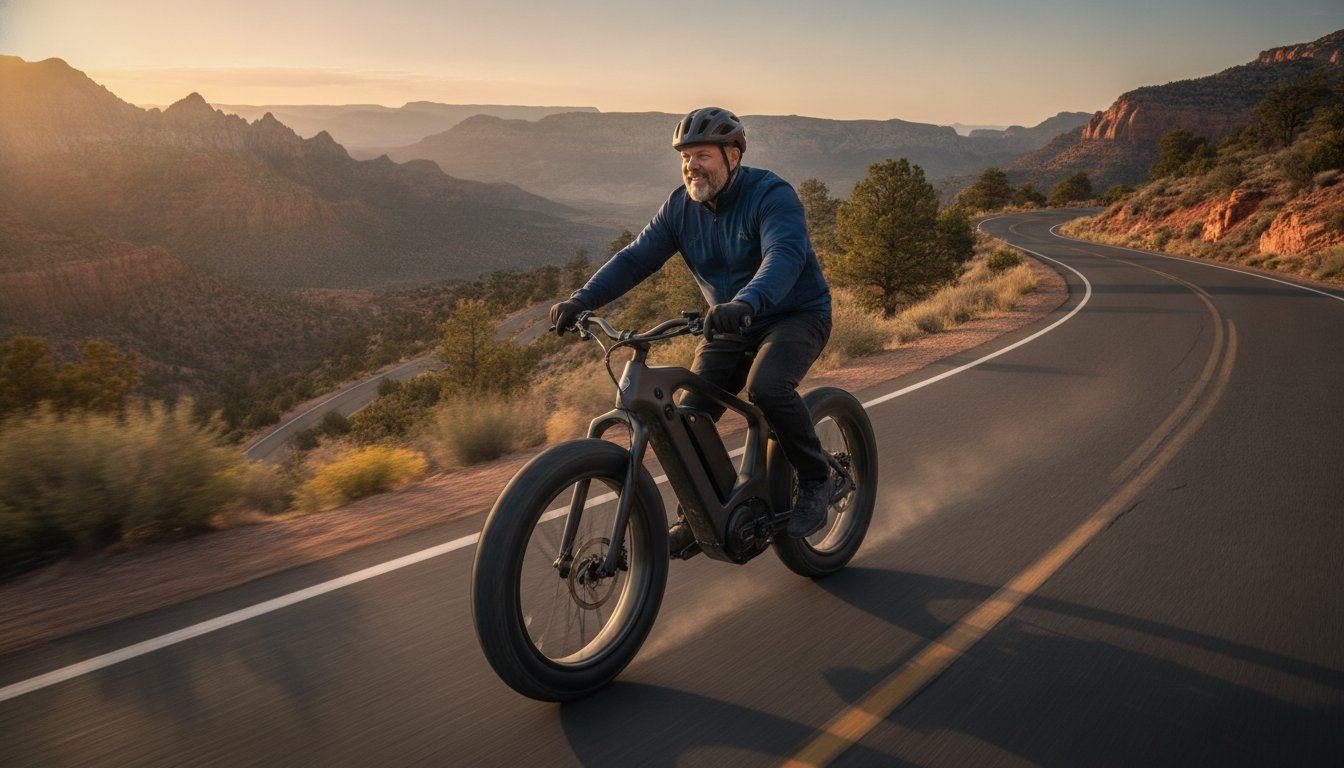
A weight limit shouldn’t be a barrier to your freedom on two wheels. If you’ve ever worried about a frame snapping or felt a motor bog down on a hill, you know that finding the right electric bike for heavy riders is about more than just aesthetics. It’s about engineering that prioritizes your safety and confidence. You deserve a ride that feels stable, powerful, and built specifically for your frame.
We understand the frustration of standard bikes that simply don’t hold up under real-world pressure. In this 2026 guide, you’ll discover the critical technical specs and top-rated models designed to provide safety and comfort for riders up to 400+ lbs. We’ll explore why high torque is the secret to conquering inclines and how new safety regulations, like the mandatory UL 2849 certification, are setting a higher bar for battery and motor reliability. From reinforced frames to high-capacity systems, we’ll show you exactly how to find a bike that carries you further with total peace of mind.
Key Takeaways
- Learn why total payload capacity is the most critical metric when selecting an electric bike for heavy riders to ensure long-term frame and wheel longevity.
- Discover why 80Nm of torque is the baseline requirement for maintaining power on steep inclines without straining the motor system.
- Identify the structural benefits of 6061 aluminum frames and high-volume fat tires for superior weight distribution and ride stability.
- Explore high-performance 2026 models like the Himiway Zebra and Mokwheel Basalt that are specifically engineered for 400lb+ weight limits.
- Understand the vital role of professional assembly and safety inspections in preventing mechanical failure under heavy payloads.
What Defines an Electric Bike for Heavy Riders in 2026?
Engineering matters more than marketing. In 2026, an electric bike for heavy riders is no longer just a standard model with a larger battery. These machines are purpose-built vehicles engineered to handle total payloads ranging from 300 to 500 lbs. While the foundational electric bicycle technology remains similar across the industry, the execution for high-capacity riding requires a different set of standards in structural durability and power delivery.
It’s vital to distinguish between “Rider Weight” and “Total Payload Capacity.” Your bike doesn’t just carry you; it carries itself, your locks, your racks, and any groceries or gear you bring along. We define Payload Capacity as the maximum safe operating weight determined by the weakest component in the assembly. To ensure a safe experience, high-capacity e-bikes rely on three critical pillars:
- Frame Reinforcement: This involves thicker tube walls and gusseted joints at high-stress points.
- Motor Torque: High-torque output is necessary to move heavy mass from a standstill without straining the electrical system.
- Braking Power: Oversized hydraulic disc rotors are mandatory to dissipate the intense heat generated when stopping a heavy load.
Understanding Weight Limits and Safety Margins
A weight limit on a spec sheet isn’t a suggestion. If a bike has a 300 lb limit, a 280 lb rider is actually pushing the equipment to its absolute edge. We recommend a simple calculation for safety. Take your body weight, add 20 lbs for gear, and then factor in a 15% safety margin. This buffer is essential because of dynamic force. When you hit a pothole or a curb at 15 mph, the momentary stress on the frame can be double your static weight. Without a safety margin, those impacts lead to metal fatigue and eventual failure.
Why Standard E-Bikes Often Fail Under Load
Standard bikes often suffer from “ghost pedaling.” This happens when a low-torque motor can’t provide enough assistance for the weight it’s carrying, leaving the rider to do the heavy lifting while the pedals spin with no resistance. This isn’t just exhausting; it’s a sign the motor is bogging down and potentially overheating. Other common failure points include snapped spokes and significant frame flex that makes the bike feel “noodly” at high speeds. Tire pressure also changes the game for riders over 250 lbs. You’ll need higher pressures to prevent the tire from deforming, which protects your rims from expensive damage during daily commutes.
Motor and Battery Dynamics: Torque is King
Power isn’t just about the wattage printed on the sticker. While a 750W motor is the legal baseline for an electric bike for heavy riders in many states, wattage only measures the work rate. It doesn’t describe the force required to get a 300 lb load moving from a dead stop. For riders carrying significant weight, torque is the metric that determines whether you’ll conquer a hill or be forced to walk. Torque, measured in Newton-meters (Nm), represents the raw pulling power needed for heavy-load inclines and initial acceleration.
We recommend looking for a motor that delivers at least 80Nm of torque. Without this level of force, the motor can struggle, leading to excessive heat buildup and a sluggish feel. If you’re unsure which motor configuration fits your local terrain, our experts can help you identify the right power system for your specific riding goals.
Hub Motors vs. Mid-Drives for Heavier Loads
Geared hub motors are a popular choice for their simplicity and “get-up-and-go” acceleration. Models like the Himiway Zebra use these to provide a punchy feel on flat or rolling terrain. They are reliable and require very little maintenance. However, mid-drive motors, such as the one found on the Mokwheel Obsidian, are superior for steep grades. Because a mid-drive motor drives the bike’s chain, it can use the bike’s own gears to increase mechanical advantage. This prevents the motor from bogging down on technical terrain. Large riders also need to consider thermal management. Larger motor casings or mid-drive systems generally dissipate heat more effectively, which is vital when the system is under constant heavy load.
Battery Capacity and Voltage for Sustained Power
Heavy loads draw more current, which can lead to a phenomenon known as “battery sag.” This occurs when the voltage drops significantly under high demand, causing the bike to feel weak even if the battery isn’t empty. To prevent this, we prioritize 48V or 52V systems. These higher voltage batteries maintain more consistent power delivery throughout the discharge cycle.
Expect a 30% to 40% reduction in advertised range if you’re riding near the bike’s maximum payload. Manufacturers typically test range using a 165 lb rider on flat ground. For real-world reliability, look for high-capacity batteries with 20Ah or more. Using high-quality cells ensures that the battery can handle the high-current draw required to move extra weight without degrading the life of the battery pack over time.
Structural Integrity: Frames, Spokes, and Tires
A frame is the skeleton of your ride. For an electric bike for heavy riders, the choice of material determines whether the bike remains rigid or starts to flex dangerously under load. In 2026, 6061 Aluminum and Chromoly Steel remain the gold standards. Aluminum offers a rust-proof, stiff platform that handles high-torque motors without twisting. Chromoly, while heavier, provides a natural dampening effect that makes long rides more comfortable by absorbing road vibrations that would otherwise travel directly to the rider.
Fat tires are the next line of defense against mechanical failure. A 4-inch tire provides a significantly larger contact patch than a standard commuter tire. This spreads the weight across more surface area, improving traction and preventing the rim from bottoming out on uneven pavement. It’s a physics-based solution to weight distribution that also adds a layer of “air suspension” for increased comfort. When you’re riding an electric bike for heavy riders, these tires are essential for protecting the expensive motor components from jarring impacts.
Reinforced Wheels and High-Gauge Spokes
Standard 14-gauge spokes are the leading cause of wheel failure for larger riders. When you carry a heavy payload, these thin wires stretch and snap under tension, especially when hitting bumps. We require 12-gauge or 13-gauge stainless steel spokes for any bike rated over 300 lbs. These thicker spokes, paired with double-walled rims, prevent the wheel from “tacoing” or warping during sharp turns. We always recommend a Safety Inspection Service from Tartarian E-bikes after the first 50 miles to ensure these spokes haven’t settled unevenly, as consistent tension is the key to wheel longevity.
Braking Systems and Stopping Power
Stopping a 350 lb total mass requires immense friction and heat management. Mechanical disc brakes rely on a single cable that can stretch or snap under the extreme pressure of a heavy stop. Hydraulic systems use fluid to apply even pressure to both sides of the rotor, offering far superior modulation and reliability. Heat fade is a real danger for larger riders. As rotors get hot, their stopping power decreases, which is why 180mm or 203mm rotors are the mandatory minimum for safety. For the ultimate level of control, four-piston calipers provide the extra clamping force needed to bring a heavy e-bike to a controlled, immediate stop in all weather conditions.

Top E-Bike Recommendations for Heavy Riders in 2026
Selecting the right electric bike for heavy riders involves matching specific engineering features to your typical riding environment. While many brands claim high weight limits, only a few have the motor torque and frame reinforcement necessary to maintain performance over time. In 2026, several standout models have proven their durability through rigorous real-world testing. These bikes don’t just carry the weight; they provide a stable and responsive experience that makes riding enjoyable rather than a mechanical struggle.
The Himiway Series: Rugged Utility
The Himiway lineup sets the industry standard for high-capacity utility. The Himiway Zebra is a 400 lb capacity all-terrain beast that handles diverse landscapes with ease. It features 26×4-inch fat tires and a 750W geared hub motor that provides the necessary “get-up-and-go” for heavy payloads. For those who prefer a more classic look, the Himiway Cruiser offers a stable and comfortable geometry. Its frame design is particularly well-suited for taller, heavier riders who need a more spacious cockpit. Both models share the same 400 lb payload capacity, making them some of the most robust options on the market today.
Mokwheel and Denago: Tech-Forward Strength
Mokwheel has introduced innovative features that go beyond simple transportation. The Mokwheel Basalt combines heavy-duty performance with power station integration. This allows you to use the bike’s battery to power camping gear or electronics while you’re out on the trail. If your routes involve rougher terrain, the Mokwheel Obsidian is the superior choice. It offers full suspension and high torque to ensure a smooth ride even when the bike is fully loaded.
Denago focuses on the urban experience without sacrificing strength. The Denago Commute Model 1 is a sturdy, high-payload option designed for city streets. It prioritizes ergonomic comfort with high handlebars and adjustable stems. These features are essential for larger frames, as they allow for a more upright riding position that reduces strain on the back and wrists. If you want to see how these ergonomic features feel in person, you can explore our full inventory of high-capacity models.
Folding bikes are often overlooked in this category due to concerns about hinge strength. However, the Heybike Mars is a rare example of a folding electric bike for heavy riders that doesn’t compromise on stability. It supports a weight capacity of up to 330 lbs. This makes it an excellent choice for riders who need a portable solution for commuting or travel but still require a reinforced frame and wide tires for safety. When transporting any of these high-capacity models by vehicle, choosing the right e-bike racks designed for heavy-duty loads is just as critical as the bike’s own engineering.
Safety, Assembly, and Long-Term Maintenance
Safety isn’t an optional upgrade. For an electric bike for heavy riders, the margin for error is significantly smaller because every component operates closer to its physical limit. When a machine is rated for a 400 lb payload, a loose bolt or a misaligned brake caliper isn’t just a nuisance; it’s a potential safety hazard. Professional assembly and a rigorous maintenance schedule are the only ways to ensure your investment remains reliable over thousands of miles.
At Tartarian E-bikes, we don’t just pull bikes out of boxes. Our Safety Inspection Service involves a comprehensive checklist designed for high-stress use. We verify spoke tension, calibrate hydraulic systems, and ensure the battery mounting hardware is vibration-resistant. This level of professional oversight is vital for riders who rely on their bikes for daily transportation or heavy-duty utility. We act as your expert partner, ensuring that your electric bike for heavy riders is mechanically sound before it ever touches the pavement.
This commitment to mechanical integrity is a principle shared by all specialized service providers; if you also value this level of engineering for your personal vehicle, you can visit Euro Performance Auto Shop LLC to explore specialized maintenance for European cars.
The Danger of DIY Assembly for High-Load Use
DIY assembly poses significant risks for high-load applications. One of the most common mistakes is failing to properly bed in the brake pads. On a heavy e-bike, unbedded pads can glaze over quickly, leading to a 30% reduction in stopping power when you need it most. Loose crank arms are another frequent issue; they can feel secure initially but will strip the interface under high motor torque. Professional assembly ensures that every component is tightened to exact torque settings, which prevents metal fatigue and keeps the frame rigid under pressure.
Maintenance Schedule for Heavy Riders
Heavy loads accelerate the wear cycle of your drivetrain and braking system. High motor torque, combined with rider weight, puts immense strain on the chain and cassette. We recommend a proactive approach to prevent expensive repairs. Following a strict schedule keeps your ride smooth and safe.
- Weekly: Check tire pressure. Maintaining high PSI prevents pinch flats and protects your rims from impact damage.
- Monthly: Inspect brake pads for wear. Heavy stopping generates intense heat that wears down friction material faster than standard riding.
- Every 500 Miles: Measure chain stretch. Replacing a chain early is far more cost-effective than replacing a worn-out cassette or chainring.
Staying ahead of these wear items ensures your bike remains a joy to ride. If you notice any unusual clicking or a decrease in braking performance, don’t wait for a total failure. Schedule your professional e-bike maintenance or assembly at Tartarian E-bikes today!
Take Control of Your Ride Today
Finding the right electric bike for heavy riders is about choosing a machine that matches your ambition with real engineering. You now know that 80Nm of torque is the baseline for hill-climbing power and that reinforced frames are the foundation of a safe ride. Don’t settle for standard bikes that struggle under load. Instead, prioritize high-capacity models built to handle 400 lbs or more with ease.
At Tartarian E-bikes, we’re here to be your long-term partner in mobility. As an authorized dealer for Himiway, Mokwheel, and Denago, we ensure every bike is ready for the road. Professional assembly and safety inspections are included with your purchase, providing the peace of mind that every bolt and spoke is set to professional standards. We also provide expert maintenance to keep your high-performance ride in peak condition for years to come.
While you focus on the mechanical longevity of your bike, staying informed about developments in recovery research from sources like 157Peptides can be a valuable part of maintaining your own peak performance on the trails.
Explore Our High-Capacity E-Bike Collection and start your journey today. Your freedom on two wheels is waiting and we’re ready to help you find it.
Frequently Asked Questions
What is the best electric bike for a 350 lb man?
The Himiway Zebra and Mokwheel Basalt are the top choices for a 350 lb rider because they offer a 400 lb payload capacity. These models are built with reinforced frames and high-torque motors that ensure the bike remains stable under load. You’ll also benefit from the 26×4-inch fat tires, which provide a wider contact patch for better balance and a more comfortable ride on varied terrain.
Do electric bikes have a weight limit?
Yes, every electric bike has a maximum payload capacity determined by the manufacturer’s engineering standards. Most standard e-bikes are rated for 250 to 300 lbs, but an electric bike for heavy riders is specifically designed to support 350 to 500 lbs. It’s vital to remember that this limit includes your body weight, any cargo you’re carrying, and the weight of the bike itself.
Will an e-bike motor burn out if I am too heavy?
A motor won’t immediately burn out, but chronic overloading leads to excessive heat buildup and internal component wear. To prevent this, you should choose a system with at least 80Nm of torque and a 750W power rating. Quality motors in brands like Denago or Himiway feature thermal management systems that protect the electronics from permanent damage if the internal temperature gets too high during steep climbs.
Can heavy riders use folding e-bikes?
Yes, heavy riders can use folding e-bikes like the Heybike Mars, which is rated for up to 330 lbs. You must look for models that feature heavy-duty locking hinges and reinforced aluminum frames to ensure safety. While standard folding bikes might feel “noodly” or flex under pressure, these purpose-built versions provide the portability you need without compromising on the structural integrity of the frame.
How much range will I lose if I am a heavier rider?
You should expect to see a 30% to 40% reduction in the manufacturer’s advertised range when riding near the weight limit. Most brands conduct range tests using a 165 lb rider on flat ground. Carrying more mass requires the battery to provide more current to maintain speed. To ensure you reach your destination, prioritize an electric bike for heavy riders equipped with a high-capacity battery of at least 20Ah.
What is the best motor type for heavy riders on hills?
Mid-drive motors are the superior choice for heavy riders who frequently tackle steep hills. These motors drive the bike’s chain directly, allowing the system to leverage the bike’s existing gears for maximum mechanical advantage. This prevents the motor from bogging down during slow, steep climbs. Geared hub motors are excellent for flat or rolling terrain, but mid-drives offer the most reliable sustained power on technical grades.
Are fat tires better for heavy riders?
Fat tires are significantly better because they distribute weight over a much larger surface area than standard tires. This increased contact patch provides better traction and lateral stability, which makes the bike feel more secure during turns. Additionally, the higher air volume acts as a natural shock absorber, protecting your rims from expensive damage when you encounter potholes or uneven pavement while fully loaded.
Why do my e-bike spokes keep breaking?
Your spokes are likely breaking because they’re standard 14-gauge wires that can’t handle the high tension required for heavy payloads. For riders over 250 lbs, 12-gauge or 13-gauge stainless steel spokes are mandatory for wheel longevity. If your wheel wasn’t professionally tensioned during assembly, specific spokes will carry an unfair share of the weight and snap. Regular tension checks are essential to keep your wheels true.