
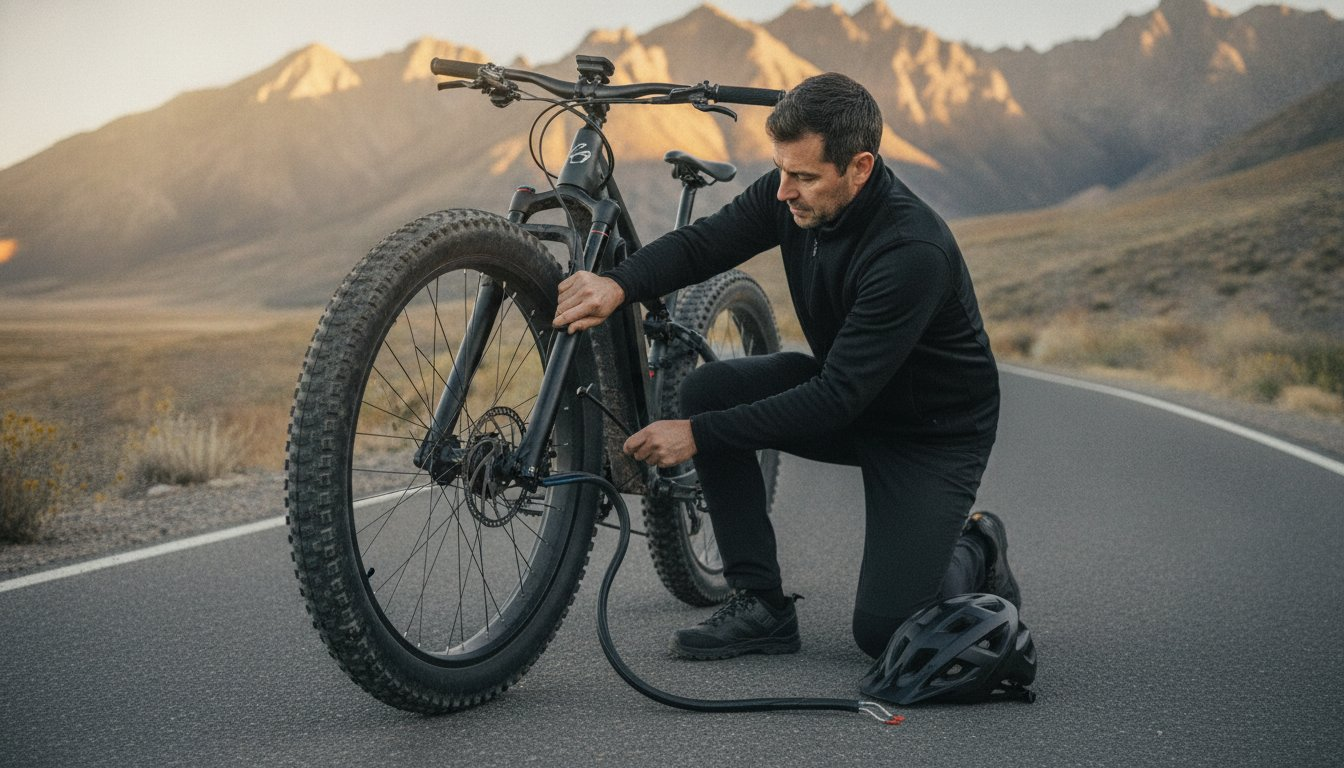
What if the most intimidating part of your ride isn’t a steep hill, but the simple act of changing the rubber underneath you? Most riders feel a surge of anxiety when they notice a flat, especially when staring at complex motor cables and the sheer bulk of a Himiway Zebra or Mokwheel Basalt. It’s a valid concern. You don’t want to damage an expensive hub motor or struggle with a 70 pound bike on the side of the road. We understand that hesitation because we’ve been there too. We know that a successful e-bike tube replacement requires more than just a tire lever; it requires a respect for the machine’s electrical heartbeat.
This guide will help you master the technical nuances of the process, from safely managing heavy hub motors to selecting the best puncture resistant materials available in 2026. You’ll gain the confidence to handle rear wheel connections without fear of damaging your equipment. We’ll preview the essential tools you need, explain how to navigate modern 4 inch tire sizing, and show you exactly how to prevent future flats using E-50 rated components. By the end of this article, you’ll be ready to get back on the trail with total peace of mind and the skills to handle any roadside emergency.
Key Takeaways
- Learn why e-bike tubes require thicker walls to handle increased weight and how motor torque affects your valve stem stability over time.
- Gain clarity on selecting the right tube size for wide tires and understand why Schrader valves dominate the modern e-bike market.
- Master the technical steps of an e-bike tube replacement by safely managing hub motor cables and using the specific tools required for a clean job.
- Follow a professional checklist for breaking the bead on stiff tires and preparing your workspace for a safe, efficient repair.
- Discover how to distinguish a simple flat from larger mechanical concerns that may require a professional safety inspection.
Why E-Bike Tube Replacement is a High-Stakes Task
E-bike maintenance often feels familiar until you’re staring at a flat rear tire. While a standard bicycle tube might look identical to one designed for a motor, the physical demands placed on these parts are vastly different. An e-bike tube replacement isn’t just a routine swap; it’s a critical safety task. Standard tubes lack the reinforced butyl walls needed to withstand the unique stresses of motorized travel and higher speeds.
Torque is the silent enemy of your valve stem. When you engage a powerful hub motor, the force can actually cause the tire to shift slightly against the rim. This movement pulls on the tube, often leading to a sheared valve stem or a slow leak at the base of the valve. Modern electric bicycle components are engineered to handle these forces, but using a generic tube often results in premature failure. Standard tubes frequently fail on e-bikes for several reasons:
- They lack the wall thickness to resist heat generated by the hub motor.
- Their rubber compound is too thin to prevent pinch flats under heavy loads.
- The valve stems aren’t reinforced against high-torque rim slippage.
The Impact of Weight and Speed
Most e-bikes, like the Himiway Zebra, weigh around 70 pounds. When you add a rider and cargo, the stress on the inner tube is roughly three times higher than on a traditional bicycle. This weight creates a massive amount of downward force that makes a proper e-bike tube replacement essential for long term safety. Additionally, hub motors generate significant heat during long climbs. This heat transfers directly to the rim and the tube, causing standard rubber to soften and degrade faster than intended. An e-bike inner tube’s load rating refers to the maximum weight capacity the tube can structurally support while maintaining consistent internal pressure under motion.
E-Bike Specific Puncture Risks
Speed changes the physics of a puncture. At 20 to 28 mph, a small piece of glass or a metal staple that might bounce off a slow moving tire is driven deep into the casing with intense force. Heavy duty rims also pose a risk if you’re running low pressure. If you hit a curb with an under-inflated 4 inch tire, the rim can pinch the tube against the ground, causing an instant snake bite flat. These heavy fat tire bikes don’t forgive maintenance lapses. Learning How to Maintain an Electric Bike: The Complete 2026 Owner’s Manual is the first step in preventing these avoidable mechanical failures and keeping your ride smooth.
Choosing the Correct Replacement Tube for Your E-Bike
Picking the right tube is about more than just matching numbers on a sidewall. You must consider the specific load, speed, and heat requirements of your machine. As noted by a major publication like Forbes, the diversity of the e-bike market is expanding rapidly. This variety means that a one size fits all approach to parts simply doesn’t work anymore. You need a tube that matches your bike’s power profile.
Sizing usually involves two primary numbers: diameter and width. For example, a 20×4.0 tube is the standard for folding fat bikes like the Heybike Mars, while a 26×4.0 is required for full sized adventure models. Don’t try to stretch a standard mountain bike tube into a fat tire casing. The rubber will thin out to a dangerous degree, making it highly susceptible to punctures. For a successful e-bike tube replacement, always stay within the width range printed on your tire.
Schrader valves are the industry standard for e-bikes. They’re robust, easy to use, and compatible with almost every air compressor. However, you should look for tubes with reinforced valve bases. Because e-bikes generate high torque, the tire can occasionally slip on the rim, putting immense stress on the valve. A reinforced base prevents the valve from tearing away from the tube body. While traditional Butyl rubber remains the most common material due to its ease of patching, many riders in 2026 are switching to TPU (Thermoplastic Polyurethane). TPU is significantly lighter and offers superior puncture resistance, though it comes at a higher price point.
Fat Tire vs. Commuter Tube Specs
High performance fat tire models like the Himiway Zebra or Mokwheel Basalt require tubes that can handle massive air volume and low pressures. Using “extra thick” thorn resistant tubes is a smart investment for these bikes. These tubes feature walls up to 4mm thick, providing a physical barrier against glass and thorns. For more context on these heavy duty machines, read our Master Guide to Fat Tire Electric Bikes.
Valve Stem Length and Angle
Clearance is a major issue with hub motor wheels. In small diameter wheels or e-trikes, a straight valve stem might hit the motor housing or be impossible to reach with a pump head. In these cases, 90 degree angled valves are a lifesaver. While your wheel is disassembled for an e-bike tube replacement, always check your rim tape. If the tape is shifted or damaged, the spoke nipples will eventually puncture your new tube from the inside. If you’re unsure about which hardware fits your specific motor setup, our experts offer professional tire and tube replacement to ensure every component is perfectly aligned.
The Technical Challenge: Managing the Hub Motor
Removing a rear wheel on a hub-drive bike is more about cable management than mechanical skill. The rear motor is the most daunting part of an e-bike tube replacement because you aren’t just dealing with a chain and a derailleur. You’re managing a high-voltage connection that powers your entire ride. If you rush this step, you risk snapping delicate internal wires or stripping the axle threads. Success begins with preparation and the right set of tools.
You’ll need specific hardware to get the job done. Grab an 18mm or 19mm wrench for the axle nuts; these are often larger and tighter than those on a standard bicycle. You also need a pair of snips to cut the zip ties that secure the motor cable to the frame. Before you loosen a single bolt, locate the quick-disconnect plug. This is usually found a few inches from the motor along the chainstay. These e-bike flat tire complications require a methodical approach to avoid permanent electrical failure.
Protecting the cable exit point is your top priority. The wire enters the motor through the center of the axle, and this area is extremely vulnerable to damage. If the wheel drops or twists while the nuts are loose, the sharp edge of the axle can slice through the wire insulation. Never let the wheel hang by the motor wire. This puts immense strain on the internal connections and can cause fractures that are nearly impossible to repair without replacing the entire motor.
Disconnecting the Electronics Safely
Look for the small alignment arrows on the waterproof connectors before pulling them apart. These plugs are designed to fit in only one orientation. Pull the connectors straight away from each other; do not twist them. While the wheel is off for the e-bike tube replacement, take a moment to inspect the pins. Look for signs of corrosion or blackening. This indicates electrical arcing or moisture ingress that needs to be addressed before you reconnect the system. Managing the derailleur tension is also easier if you shift into the smallest cog before starting.
Torque Arms and Washers
Anti-rotation washers are critical safety components that you must reinstall in their exact original positions. They feature a small tab that locks into the frame’s dropout to keep the axle from spinning. Torque arm alignment prevents axle spin-out by ensuring the motor’s rotational force doesn’t rotate the axle inside the frame and tear the motor cable. Once the wheel is back on and the axle nuts are torqued, follow our Electric Bike Brake Adjustment Guide to ensure your rotors are centered and your stopping power is restored.

Step-by-Step E-Bike Tube Replacement Checklist
Executing a successful e-bike tube replacement requires a blend of patience and precision. Before you begin, evaluate your workspace. Flipping a 70 pound fat tire bike onto its handlebars can damage expensive color displays or throttle assemblies. If you don’t have a heavy duty repair stand rated for e-bikes, use padded blocks to support the frame or perform the work with the bike upright. Once the bike is stable and the motor cable is disconnected as described in the previous section, you’re ready to address the rubber.
Start by completely deflating the tire. E-bike tires, especially those on the Mokwheel Basalt, often have incredibly stiff beads designed to stay seated at high speeds. Breaking the bead requires firm pressure; use your palms to push the tire toward the center of the rim channel. If the tire is stubborn, don’t reach for a screwdriver. You’ll only end up scratching the rim or piercing the tire casing. Instead, use high quality, reinforced plastic tire levers to safely lift the edge of the tire over the rim flange.
The Removal and Inspection Phase
Once you’ve removed the old tube, your most important task is finding the cause of the flat. Never install a new tube without inspecting the tire casing first. A tiny shard of glass or a wire staple can hide inside the rubber, ready to puncture your replacement immediately. Run a soft rag along the inside of the tire casing. The fabric will snag on any sharp objects that your fingers might miss, protecting your hands from injury. Additionally, verify that your rim strip is perfectly centered. It must cover every spoke nipple to prevent internal punctures, which are common on high tension e-bike wheels.
Installation and Re-Assembly
The “Half-Inflation” trick is a professional secret for a pinch-free install. Before tucking the new tube into the tire, add just enough air to give it a round shape. This prevents the rubber from folding or getting trapped under the tire bead during seating. Align the valve stem so it’s perfectly perpendicular to the rim. If the stem is tilted, the high torque of the motor will eventually shear it off. After the tire is seated, verify the bead is even all the way around the rim before final inflation.
Re-assembly is where safety meets mechanics. Route the motor cable exactly as it was, ensuring it’s clear of the brake rotor and moving drivetrain parts. Tighten your rear axle nuts to the industry standard of 35 to 45 Nm. This specific torque range ensures the motor remains seated in the dropouts without stripping the threads. If you’re uncomfortable with these technical tolerances, our team provides professional tire and tube replacement services to ensure your bike is road-ready and safe.
Professional E-Bike Service vs. DIY Maintenance
Mastering a basic e-bike tube replacement is a valuable skill for any rider, but knowing when to step back is equally important. A flat tire is often more than a simple puncture; it can be a warning sign of underlying wheel fatigue. These heavy machines, often carrying significant loads at speeds up to 28 mph, place immense stress on every component. If your repair process reveals loose spokes, a warped rim, or damaged motor cable insulation, the task has moved beyond the scope of a standard DIY fix.
Professional technicians offer a level of scrutiny that goes beyond just swapping rubber. At Tartarian E-bikes, we treat every tire service as a comprehensive safety check. We verify that the motor axle is seated perfectly, the torque arms are secure, and the electrical connections are free of corrosion. This systematic approach prevents the “axle spin-out” accidents that occur when DIY repairs are rushed or under-torqued. Our team is trained to handle the high-stakes nuances of motorized wheels, ensuring your bike remains a reliable tool for modern mobility.
When to Call the Experts
Complexity increases significantly with certain drivetrain configurations. If your bike utilizes internal hub gears or integrated mid-drive sensors, the removal process involves delicate calibration that is easy to disrupt. Furthermore, if you notice the rim is no longer “true” after a flat, standard tools won’t be enough to restore the wheel’s integrity. For riders who prefer a “set it and forget it” approach, our Professional Assembly Service ensures your bike starts its life with perfect alignment and safety-verified components.
Preventative Solutions for 2026
The best way to handle a flat is to prevent it from happening in the first place. In 2026, the industry has moved toward advanced protection layers that significantly reduce the need for frequent e-bike tube replacement. We recommend several proven solutions for long-term reliability:
- Foam Tire Inserts: Products like Tannus Armour provide a physical cushion that prevents pinch flats and allows for “run-flat” capability.
- Liquid Sealants: High-performance sealants can instantly plug small punctures from thorns or glass while you are still moving.
- Tire Upgrades: Switching to E-50 rated, puncture-resistant tires, similar to the heavy-duty rubber found on the Himiway Cruiser, provides a thicker barrier against debris.
- Smart Sensors: Utilizing real-time pressure monitoring systems helps you catch slow leaks before they turn into rim-damaging failures.
Maintenance is the foundation of a safe and sustainable lifestyle. Whether you need a quick repair or a complete safety overhaul, our expert team is here to support your journey. Schedule your professional e-bike service with Tartarian E-bikes today to keep your ride smooth and your motor protected.
Keep Your Ride Moving with Confidence
Mastering the technical side of your machine is the best way to ensure every trip is safe and efficient. We’ve covered the critical importance of choosing reinforced tubes that can handle the 70 pound weight of modern fat bikes and the high torque of hub motors. By following a methodical approach to cable management and using the “half-inflation” trick, you can perform a successful e-bike tube replacement without risking damage to your electrical system. Protecting your investment starts with understanding these nuances, but you don’t have to handle the heavy lifting alone.
If you prefer the peace of mind that comes with expert care, our team is ready to help. As an authorized dealer for Himiway, Mokwheel, and Denago, Tartarian E-bikes provides on-site maintenance and safety inspections conducted by certified e-bike technicians. We’ll ensure your torque arms are aligned and your motor connections are secure so you can focus on the trail ahead. Book a Professional Tire and Tube Replacement today and let us handle the technical details for you. Your next adventure is just a smooth ride away.
Frequently Asked Questions
Can I use a regular bike tube in my e-bike?
No, you should avoid using standard bicycle tubes because they lack the wall thickness required for heavier electric bikes. E-bikes like the Himiway Zebra weigh significantly more than traditional bicycles, which puts much higher stress on the rubber. Using a regular tube increases your risk of pinch flats and heat-related failures near the motor. Always look for reinforced tubes specifically rated for the higher loads and speeds of electric travel.
How much does it cost to have an e-bike tube replaced professionally?
The cost of a professional repair depends on the complexity of your bike’s motor setup and the price of the replacement parts. Rear hub motors require more labor because technicians must carefully manage waterproof connectors and specific torque settings. While simpler front-wheel repairs are less intensive, a rear-wheel service ensures your electrical connections remain safe. You can contact a local service center for a specific estimate based on your model.
Do I need special tools to change a rear-wheel e-bike tube?
Yes, you will likely need 18mm or 19mm wrenches for the axle nuts and snips to remove any securing zip ties. Most standard bike multi-tools don’t include these larger wrench sizes. You also need heavy-duty plastic tire levers to handle the stiff beads found on fat tires. Using a torque wrench is also highly recommended to ensure the rear wheel is safely secured to the frame without stripping the axle threads.
What is the best tire pressure for a fat tire e-bike to avoid flats?
The ideal pressure for fat tire e-bikes usually ranges between 20 and 30 PSI for pavement, though it can go lower for off-road terrain. Running your tires too low on hard surfaces increases the risk of the rim pinching the tube during an impact. Always check the sidewall of your tire for the manufacturer’s recommended range. Maintaining consistent pressure is the simplest way to reduce the frequency of an e-bike tube replacement.
How do I know if my e-bike has a hub motor or a mid-drive?
You can identify your motor type by looking at the center of your wheels or the pedal area. A hub motor is a circular component built directly into the center of the front or rear wheel. A mid-drive motor is located between the pedals at the bottom of the frame. Hub motors are very common on fat-tire models and require you to disconnect a motor cable before you can remove the wheel for maintenance.
Can I fix an e-bike flat without removing the wheel?
It is technically possible to patch a tube while the wheel is on the bike, but this is only a temporary roadside solution. You would need to pull a section of the tube out from the side of the tire to find and seal the leak. This method is difficult and often unreliable. For a proper, long-term repair, removing the wheel ensures you can thoroughly inspect the tire casing for any hidden debris.
What should I do if my motor cable is stuck or won’t disconnect?
Stop immediately if a motor cable feels stuck and check for hidden zip ties or locking mechanisms along the chainstay. Waterproof connectors can sometimes become tight due to grit or road salt. Use a gentle, straight pulling motion rather than twisting the plug to avoid damaging the internal pins. If the connector is seized or shows signs of melting, consult a professional to avoid a costly electrical failure.
Is it safe to use a patch kit on an electric bike tube?
Patching an e-bike tube is safe for small punctures, but a full e-bike tube replacement is the more reliable choice for high-speed use. The heat generated by hub motors and the intense torque can cause patches to fail or peel over time. If the hole is near the valve stem or larger than a few millimeters, you should always replace the tube to ensure your safety on the road.