
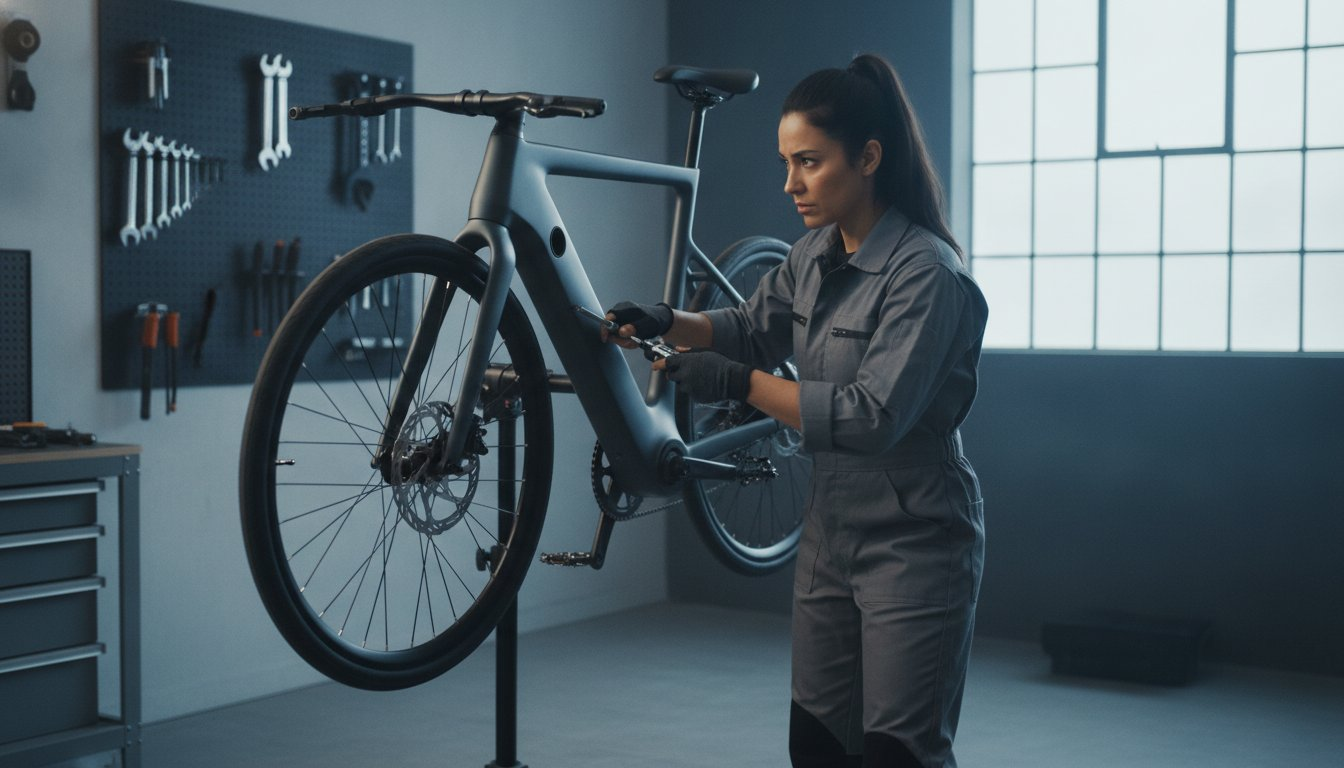
Your e-bike is not just a bicycle with a motor; it is a high-performance vehicle that requires a specific maintenance mindset to stay road-legal and safe. Learning how to maintain an electric bike is no longer just about oiling a rusty chain. It’s a 70/30 split between heavy-duty mechanical upkeep and disciplined electrical stewardship. You probably feel a pang of anxiety when it’s time to clean your frame, fearing that a stray splash might damage expensive sensors. You might also worry about your braking performance on a heavier frame or how to handle the latest 2026 battery safety standards.
We understand those concerns because we see them every day in the shop. This manual will transform that uncertainty into expert confidence. You’ll master the essential DIY skills and professional service schedules needed to keep your investment running efficiently for years. We’re going to walk through a clear monthly checklist, explain how to maximize your battery’s lifespan, and help you decide when a new noise is a simple fix or a sign to visit a specialist.
Key Takeaways
- Master the 20-80% charging rule to prevent deep discharges and significantly extend your lithium-ion battery’s lifespan.
- Understand why the increased weight and speed of e-bikes require more frequent brake pad inspections compared to traditional bicycles.
- Learn how to maintain an electric bike safely by using the bucket-and-sponge method instead of high-pressure washers that can destroy sensitive bearings.
- Implement the “First 100 Miles” rule to re-tension spokes and cables, ensuring your new ride stays safe and responsive.
- Optimize your range and traction by mastering tire pressure management tailored for high-torque riding.
The Foundation of E-Bike Care: Why Maintenance Matters in 2026
Owning an e-bike in 2026 is a significant financial commitment. To protect that investment, you must view upkeep as a proactive strategy rather than a reactive repair. You aren’t just riding a bicycle; you’re operating a high-performance vehicle. Unlike traditional bikes, e-bikes are governed by the “Weight-Speed-Torque” trifecta. This combination of factors accelerates wear on every moving part. If you commute at 20mph daily, your frame and components experience forces that a standard road bike rarely encounters. A “set and forget” mentality is dangerous and expensive in this context. Regular maintenance ensures your safety and preserves the long-term resale value of your machine. A documented service history is particularly valuable now that 2026 regulations, such as California’s battery certification laws, have made buyers more cautious about used electronics. Learning how to maintain an electric bike is the only way to ensure your ride remains reliable for years to come.
E-Bike vs. Standard Bike: The Key Differences
The physics of an e-bike are fundamentally different. The torque from a mid-drive motor pulls on your chain with far more force than human legs ever could, leading to faster stretching and drivetrain wear. Hub motors, while different in power delivery, still place unique stresses on spokes and rims. You’ll also notice that e-bike tires often wear out 30% faster because they support significantly more mass at higher average speeds. Beyond the mechanical, you’re also managing electronic sensors. These components monitor your speed and cadence to ensure the motor assists you safely. A quick check of these connections and sensors should be part of your routine to prevent sudden power loss or erratic motor behavior.
Essential Tools for Your Home E-Bike Workshop
Building a basic workshop allows you to handle most tasks yourself. You’ll need a few specific items to do the job correctly. Precision is vital, so don’t guess when it comes to tightening bolts or inflating tires.
- Torque Wrench: Essential for tightening bolts to exact manufacturer specifications without stripping threads or damaging carbon parts.
- Digital Tire Pressure Gauge: E-bikes are sensitive to PSI; even a 5-pound drop can significantly reduce your battery range.
- Chain Lubricant: Use a high-quality e-bike specific lube designed to handle high-torque loads.
- Dedicated E-Bike Work Stand: Most e-bikes weigh between 50 and 80 pounds. A standard bike stand may collapse, so invest in one rated for heavy frames.
- Manufacturer-Approved Cleaners: Avoid harsh degreasers that can eat through electrical seals or sensitive wire coatings.
Having these tools on hand makes how to maintain an electric bike a simple, weekly habit rather than a daunting monthly chore. Start with the right equipment, and you’ll avoid the most common DIY mistakes.
Mastering the Battery and Motor: The Heart of Your E-Bike
The battery and motor are the most sophisticated parts of your vehicle. They are also the most expensive to replace. A new UL-certified lithium battery typically costs between $400 and $800, while a mid-drive motor replacement can exceed $1,500 including labor. This financial reality makes mastering how to maintain an electric bike‘s electrical system a top priority. Your goal is to maximize the number of charge cycles and prevent internal motor wear before it starts. Since the January 2026 California battery certification laws went into effect, using only manufacturer-approved charging equipment is more than a recommendation; it’s a safety requirement.
Lithium-ion cells are sensitive to their environment. Extreme temperatures are the primary enemy. Don’t charge your battery in sub-freezing conditions or leave it in a hot car, as this causes permanent capacity loss. The “Golden Rule” is to avoid deep discharges. Letting your battery hit 0% regularly will shorten its lifespan significantly. Instead, follow the 20-80% rule. Keeping your charge level within this range can extend the battery’s usable life by several years. As suggested in the REI E-Bike Maintenance Guide, storing your battery at a 50% charge during long periods of inactivity is the best way to prevent cell degradation.
Battery Health and Storage Best Practices
Proper storage is critical during the winter or summer peaks. If you aren’t riding for more than two weeks, remove the battery and keep it in a climate-controlled room. Avoid “vampire charging.” Unplug the charger once the battery reaches 100% to prevent unnecessary heat buildup and potential fire risks. For cleaning, never use a damp cloth on the battery terminals. Use a dry, soft-bristled brush or specialized electrical contact cleaner to remove dust or light corrosion. If you’re unsure about your electrical system’s health, a safety inspection service can provide a diagnostic readout of your battery’s cycle history.
Motor Stewardship: What You Can (and Can’t) Do
Your motor is a sealed unit designed for durability, but it isn’t invincible. Listen for “ghost noises,” such as clicks, grinding, or high-pitched whines that weren’t there before. These often signal internal gear wear or debris caught in the housing. Keep the exterior of the motor casing clean using a dry cloth to prevent overheating. Never attempt to open the motor casing yourself. Doing so immediately voids your warranty and risks damaging sensitive internal sensors. Simply ensure that all cable connections are seated firmly and check for any signs of wire fraying or corrosion at the entry points. Finally, treat your e-bike like a rolling computer. Check for firmware updates monthly through the manufacturer’s app. These updates often optimize motor efficiency and improve heat management, acting as a digital tune-up for your drivetrain.
Mechanical Upkeep for High-Torque Riding: Brakes and Tires
Stopping a 75-pound machine traveling at 20 mph generates significantly more heat and friction than a standard bicycle ever would. This is the physics of e-biking. Because of this increased mass and velocity, your brake pads will wear down significantly faster, often requiring replacement every 600 to 1,200 miles. If you notice a “spongy” feel in your brake levers, it’s likely that air has entered the system. By 2026, hydraulic disc brakes have become the baseline for safety on most models, but they require a professional “bleed” at least once a year to maintain consistent pressure. Mastering how to maintain an electric bike means respecting these mechanical limits before they fail you on a steep descent.
Your drivetrain also faces unique challenges. The high torque from the motor doesn’t just help you climb hills; it actively pulls on the chain links. This leads to “chain stretch,” which is actually the internal pins wearing down. A stretched chain will quickly eat through your expensive cassette teeth, leading to slipping gears and poor shifting. Use a chain checker tool every 500 miles to catch this wear early. Replacing a chain is a simple, affordable task, but replacing a full drivetrain is a major expense you want to avoid.
Brake Safety and Pad Replacement
Check your pads monthly. You should see at least 1.5mm of friction material remaining. If you see metal-on-metal, stop riding immediately. You can often handle minor rubbing or alignment issues with a DIY electric bike brake adjustment to keep your rotors centered. Always look for “E-rated” brake compounds. These are specifically engineered with denser materials to handle the sustained heat of heavy, high-speed e-bikes without “fading” or losing grip during long braking periods.
Fat Tire Maintenance and Tube Care
Managing the massive air volume in models like the Himiway Zebra for sale is critical for performance. PSI management is a balancing act. Lower pressures (around 15-20 PSI) provide better traction on loose dirt or snow, but they increase rolling resistance and drain your battery faster. For paved commuting, aim for the higher end of the manufacturer’s recommendation to maximize range. Because a flat tire on a heavy hub-motor bike is a logistical nightmare, tire sealant is a non-negotiable requirement. It seals most small punctures from thorns or glass instantly. When it comes to safely swapping out worn rubber without damaging your motor wiring, following a proper e-bike tire replacement guide for hub-motor bikes is essential to avoid turning a simple tube swap into a costly electrical repair. For situations where sealant isn’t enough and you need to swap the inner tube itself, a detailed e-bike tube replacement guide will walk you through safely managing hub motor cables and selecting the best puncture-resistant materials for 2026. Finally, inspect your sidewalls for cracks or “threading” every month, as the heavy load of an fat tire electric bike puts immense stress on the tire’s structure.

The E-Bike Maintenance Schedule: DIY vs. Professional
The first 100 miles represent the most critical phase of your bike’s life. During this break-in period, cables stretch and spokes settle into the rim under the weight of the motor and battery. If you ignore these changes, you’ll experience poor shifting and wobbly wheels. Learning how to maintain an electric bike starts with understanding this initial settling period. Once you pass that milestone, your routine shifts into a steady cadence of monthly and annual tasks designed to catch wear before it becomes a safety hazard.
Your monthly DIY checklist should be non-negotiable. Apply high-quality chain lubricant to prevent high-torque wear and use a torque wrench to check every major bolt, especially on the handlebars and motor mounts. Inspect your tires for embedded glass or debris that hasn’t caused a flat yet. Bi-annually, perform a deep dive. This involves degreasing the entire drivetrain and carefully cleaning the electrical contacts with a dry brush. However, even the most skilled DIY mechanic needs professional support once a year. An annual professional inspection covers multi-point safety checks that require specialized tools, such as checking spoke tension with a meter or updating motor software to the latest 2026 standards.
The Value of Professional Assembly
Many e-bikes arrive in a box, but “90% assembled” doesn’t mean “100% safe.” Out-of-the-box bikes frequently have loose bolts, misaligned derailleurs, or dry bearings that were missed during mass production. Choosing a Professional Assembly Service ensures that every component is set to the exact manufacturer torque specifications. This precision significantly extends the life of your drivetrain and brakes. It also serves as your first major safety inspection, catching manufacturing defects before they cause an accident on the road. A professionally built bike feels tighter, runs quieter, and stays in tune much longer than one assembled on a living room floor. Before you even begin your maintenance journey, choosing from the best e bike brands of 2026 ensures you’re starting with a machine built for long-term serviceability and backed by a manufacturer committed to UL 2849 safety standards.
When to Call the Pros
Modern e-bikes are rolling computers, and some issues require more than a set of Allen keys. If your display shows a diagnostic error code, you need a dealer’s diagnostic tool to identify the specific sensor or controller failure. Complex repairs like bottom bracket replacements, motor swaps, or internal wiring faults carry high risks if handled incorrectly. Attempting these yourself can void your warranty or lead to electrical shorts. A certified technician provides a safety certificate that proves your bike is road-worthy and compliant with local regulations. If you are unsure about the state of your ride, schedule a Safety Inspection Service to get a professional evaluation of your bike’s health.
Cleaning and Weatherproofing: Protecting Your Investment
Never use a pressure washer on your e-bike. While it is tempting to blast away mud after a trail ride, high-pressure water is the primary cause of premature bearing and motor failure. These machines are designed to withstand rain from above, not industrial-strength water jets forced into sensitive seals. Learning how to maintain an electric bike involves shifting from a “car wash” mindset to a “detailer” mindset. Most modern e-bikes carry an IP rating, typically IP54 or IP65. An IP54 rating means your bike is protected against splashes from any direction, while IP65 offers protection against low-pressure water jets. Neither rating justifies a high-pressure blast at a self-service car wash, which can easily push moisture past gaskets and into the motor housing.
Adopt a simple two-minute ritual after every wet or muddy ride. Wipe down the frame with a clean, dry cloth and use a soft brush to clear debris from the motor’s cooling fins. This prevents mud from baking onto the housing, which can trap heat and reduce motor efficiency. If you’ve been riding in the rain, remove the battery and dry the terminal pins immediately. Moisture trapped in the battery cradle is a recipe for long-term corrosion and electrical “creep,” which can cause intermittent power issues.
The Step-by-Step E-Bike Wash
Start by removing the battery if your model allows it. If the battery is integrated, ensure the charging port cover is tightly sealed. Wrap a small plastic bag or a clean rag around the handlebar display and remote to provide an extra layer of protection. Use the “Bucket and Sponge” method with a dedicated bike wash solution. When it’s time to degrease the chain, apply the cleaner directly to a rag or a chain-cleaning tool rather than spraying it. This prevents degreaser from splashing onto your brake rotors, which would contaminate the pads and ruin your stopping power. Once finished, dry the bike thoroughly with a microfiber towel and let it sit in a dry area for an hour before reinserting the battery.
Winter and Coastal Maintenance
If you live near the ocean or commute on salted winter roads, your maintenance needs double. Salt is incredibly corrosive to both aluminum frames and electrical components. Coastal riders should wipe their bikes down weekly with a damp cloth to remove salt film. For added weatherproofing, apply a small amount of dielectric grease to your electrical connectors. This non-conductive grease creates a waterproof barrier that prevents pins from corroding. Finally, finish your session by lubricating all pivot points and shift cables. A well-lubricated bike doesn’t just run smoother; it creates a physical barrier against the elements. Mastering how to maintain an electric bike in these harsh conditions is the difference between a ride that lasts a decade and one that requires a motor swap in two years.
Future-Proof Your Ride: Long-Term Success for Your E-Bike
You’ve invested in a high-performance machine, and you now have the roadmap to protect it. E-bike longevity depends on consistent battery stewardship and respecting the increased mechanical stress of high-torque riding. Remember that the 20-80% charging rule and regular brake inspections are your best defenses against premature wear. Mastering how to maintain an electric bike isn’t a one-time task; it’s an ongoing commitment to your own safety and the bike’s resale value.
While DIY care is vital, some checks require the specialized tools of a professional. Our certified technicians at Tartarian E-bikes are experts in Himiway, Mokwheel, and Denago systems. We offer comprehensive multi-point safety inspections and national support to ensure your premium e-mobility investment stays in peak condition. Don’t leave your safety to chance. Book a Professional Safety Inspection at Tartarian E-bikes today to secure your peace of mind. Your e-bike is a gateway to a more sustainable, active lifestyle. Keep it clean, keep it tuned, and enjoy the freedom of the road ahead.
Frequently Asked Questions
How often should I charge my e-bike battery to make it last longer?
You should aim to keep your battery charge between 20% and 80% for daily use. It’s best to avoid letting the battery drop to zero, as deep discharges put significant stress on lithium-ion cells. Frequent shallow charges are much healthier for the battery’s chemistry than waiting for it to die completely. If you are learning how to maintain an electric bike, prioritizing this charging habit is the single most effective way to extend your battery’s total lifespan.
Can I wash my electric bike with a garden hose?
You should avoid using a garden hose or any pressurized water source to clean your bike. Even a standard hose can force moisture into sensitive areas like the motor seals, battery connections, or the display screen. Instead, use the bucket and sponge method to clean the frame and components. This approach allows you to remove dirt and grime effectively while keeping water away from the internal electronics that are vulnerable to corrosion or short circuits.
Why is my e-bike making a clicking sound when I pedal?
A clicking sound usually indicates a loose pedal, a dry chain, or a crank arm that needs tightening. Start by checking if your pedals are securely threaded into the crank arms and apply a fresh layer of lubricant to your chain. If the noise persists, it might be a sign of “chain stretch” or a misaligned derailleur. Because e-bikes handle higher torque, these components can loosen more quickly than on a standard bike, so you should check your bolt tension every month.
Do I need special tires for an electric bike?
Yes, you should use tires specifically rated for e-bikes, which are often labeled with an “E-50” or “E-25” certification. These tires feature reinforced sidewalls and denser rubber compounds designed to handle the extra weight and higher average speeds of an electric motor. Standard bicycle tires will wear out significantly faster and provide less traction under the high-torque loads common on heavy frames like the Mokwheel or Himiway series.
How often do e-bike brake pads need to be replaced?
Most e-bike brake pads require replacement every 600 to 1,200 miles depending on your riding style and local terrain. Heavy commuters or those riding in hilly areas will likely need new pads sooner due to the increased heat and friction generated during stops. You should inspect the pad thickness monthly. If the friction material is less than 1.5mm thick, it is time for a change. Regular inspections are a core part of how to maintain an electric bike safely.
Is it safe to leave my e-bike battery on the charger overnight?
It is not recommended to leave your battery on the charger overnight. While most modern chargers have an automatic shut-off feature, leaving them plugged in for extended periods creates unnecessary heat and a small fire risk. Unplugging the charger once the battery reaches 100% prevents “vampire charging” and helps maintain the chemical stability of the lithium cells. This simple habit ensures your battery remains safe and efficient for as many charge cycles as possible.
What should I do if my e-bike display shows an error code?
You should first look up the specific code in your owner’s manual to identify the fault. Many codes are simple warnings about a loose sensor or a battery connection issue that you can fix by reseating a cable. However, if the code persists or relates to the motor or controller, you should stop riding and contact a professional. Certified technicians have the specific diagnostic tools needed to identify internal electrical failures and perform a safe, warranted repair. If you ever need to handle roadside repairs yourself, knowing how to perform an e-bike tube replacement on a hub-motor wheel is an essential skill that can save you from being stranded far from a service center.